




NZX
NZD$
0
0.00
Me mahi tahi tatou mo te oranga o te katoa - We must work together for the wellbeing of everyone.
The land, the sea, the air, our children and their future are all dependent on this generation to act now. Our planet is warming at an unprecedented rate. If left unchecked, it will have dire consequences for us all.
At The Warehouse Group, we want to play our part by taking responsibility for the impact we have on the environment and steer a path for others to follow.
That is why we are now carbon neutral and carboNZero certified (since February 15) meaning all our carbon emissions for 2018 are offset, and we intend to continue this each year.
We’re the largest company in New Zealand – and only the third major retailer globally - to be carbon neutral. We’re doing this because we care about the health of our people, Aotearoa New Zealand, and the planet.
We are committed to this journey. Our target is to reduce emissions by 32 percent by 2030 (from our 2015 base level). This is in keeping with the target of staying within 2⁰C of warming, based on pre-industrial levels, set by the 2015 Paris Agreement.
It’s a big challenge, and a daunting one, but we’re excited by the opportunity to do our bit for the decarbonisation of the New Zealand economy. We are in a unique position to influence change around how we manage carbon emissions, particularly among our customers and suppliers. We all need to work together for the wellbeing of everyone and we hope you will join us on this journey.
Why we are doing it?
Climate change is the biggest environmental challenge of our time. It is already affecting our climate, agriculture, native ecosystems, infrastructure, health and biosecurity.
As New Zealand’s largest retail group, we have an ethical obiligation to act now and help New Zealand meet its international obligations under the UN Paris Agreement to combat climate change and adapt to its effects.
While we are offsetting our 2018 emissions, we are also actively working to reduce our energy consumption and therefore improve our environmental performance.
Because we are in this for the long-haul, our programme will take time to build so we are taking a three-step approach.
Our three-pronged approach to carbon neutrality
Emissions Reduction
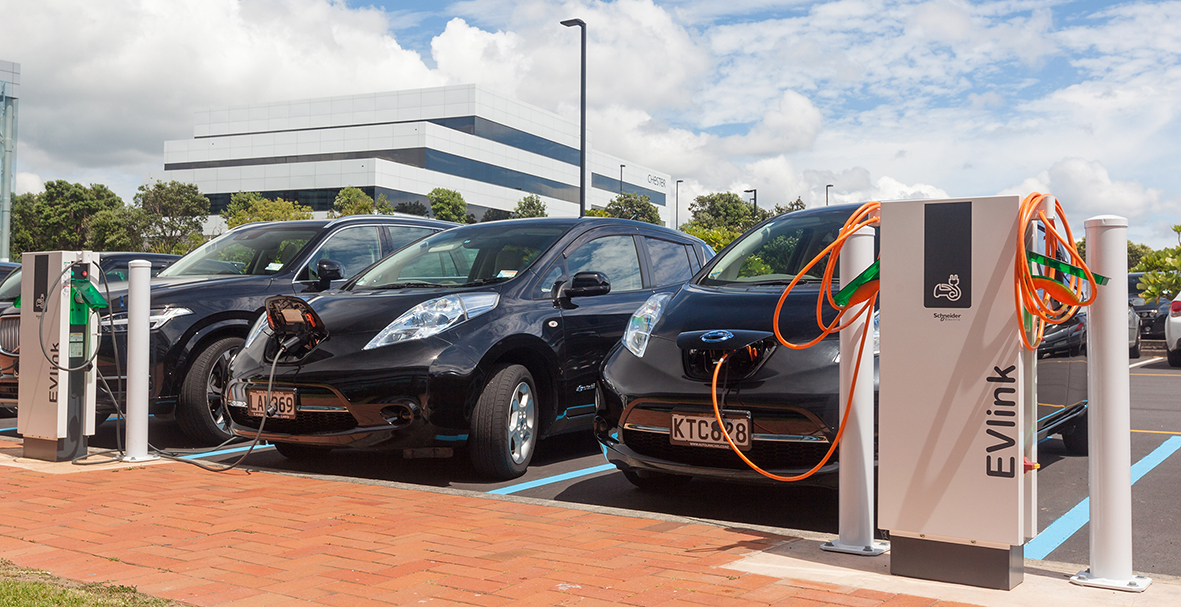
First, we have an active emissions reduction programme underway throughout our operations and supply chain, with more than 25 energy and emissions saving projects over the next five years. This includes working with international shipping companies to reduce our emissions, switching to LED lighting to reduce electricity use in our stores and ambitious waste recycling targets. Additionally, 30 percent of our vehicle fleet will be electric by the end of 2019.
Native forest regeneration
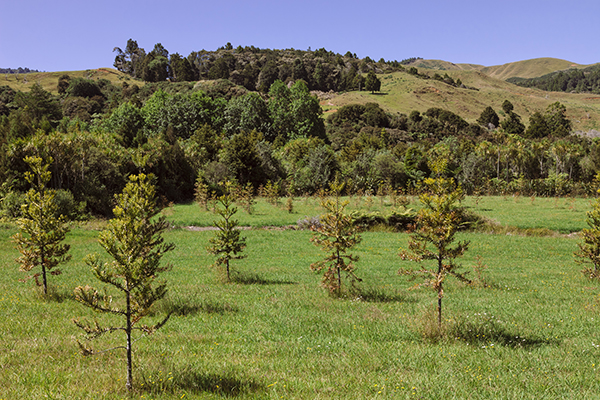
Our reduction programme will run in parallel with our carbon credit investments, which will eventually come mainly from domestic native forest regeneration projects requiring as much as 2700 hectares (the equivalent of 2.7 million trees).
We’re anticipating the tree regeneration will generate enough credits to offset our future domestic emissions (from 2025) and contribute to the government’s plan to plant a billion trees. As 65 percent of our emissions are domestic, the aim is that by 2025 we will offset all of the 26,500 tCO2-e with domestically generated native forestry carbon credits.
Carbon Credits
Given the time needed for native forest to regenerate, we have invested in international carbon credit projects from countries where we have manufacturing operations. These are “Gold Standard” carbon credits to ensure that the projects benefit local communities while reducing emissions. The Gold Standard is the most widely respected certification standard globally for carbon offset projects.
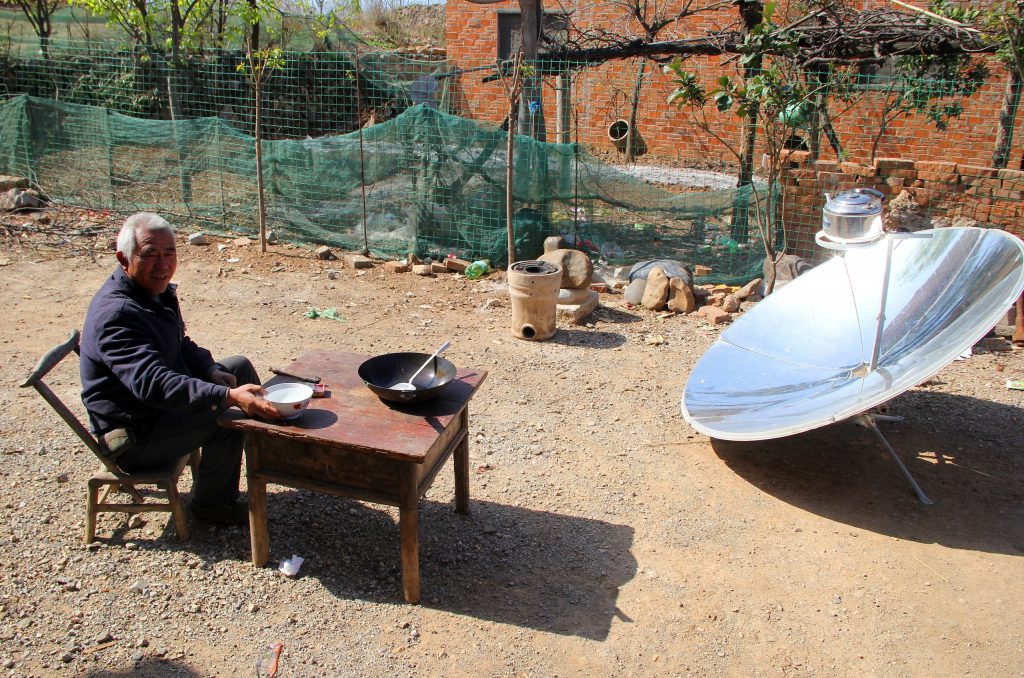
Our international carbon credits are sourced from United Nations Clean Development Mechanism (CDM) projects that have both environmental and social & community benefits in countries where we have business operations, namely Bangladesh, India and China.
The projects include the distribution and installation of 48,000 solar cookers in Henan Province in China to minimise the use of inefficient coal fired stoves that emit harmful fumes and damage health, and the purchase of cook stoves for Bangladeshi communities to reduce emission of various particulates and carbon monoxide from existing inefficient cooking practices.
Read more about the projects here
carboNZero certified
Accountability and transparency are also integral to our programme so our carbon neutrality status is independently carboNZero certified by Enviro-Mark Solutions, part of Manaaki Whenua - Landcare Research, and is based on ISO standards.
Our Climate Change Commitments
* We have committed to a 32 percent reduction on our 2015 carbon emissions by 2030 - a key obligation as a member of the NZ Climate Leaders Coalition.
* 30 percent of our vehicle fleet to be converted to Electric Vehicles in 2019.
* Ensuring a ‘shadow carbon price’ is costed into every business case.
* We committed in May 2018 to Science-Based Targets in support of the 2015 Paris Agreement.
* Our Carbon Neutrality reporting through our newly introduced integrated annual reports.
* We commit to measuring our greenhouse gas emissions and publicly reporting on them
* We will work with our suppliers to reduce their greenhouse gas emissions.
* We will begin engaging with our supply network to encourage their adoption of reduction efforts.
FAQs
Why are you going carbon neutral?
Climate change is the biggest environmental challenge of our time. It is already affecting our climate, agriculture, ecosystems, infrastructure, health, and biosecurity.
If left unchecked, it will have broad social and economic impacts on our country. We cannot afford to ignore what is happening in New Zealand and globally. That’s why we are stepping up and taking responsibility for our impact on the environment, through our carboNZero certification.
How significant is this commitment?
This is about doing the right thing for New Zealand.We’re the first large company in New Zealand to go carbon neutral and only the third large retailer in the world.
We’re upfront about the fact that we’re not perfect, we have more work to do, but we’re excited about what’s ahead of us and what can be achieved when we work together.
We are committed to this journey and our target is to reduce emissions by 32 percent from the 2015 baseline by 2030 - this is in keeping with the United Nations IPCC goal of staying within 2⁰C of warming based on pre-industrial levels.
What does carbon neutrality mean?
Carbon neutrality means our carbon emissions are offset resulting in ‘net zero’ emissions. Our carbon neutrality status is independently certified carboNZero by Enviro-Mark Solutions, part of Manaaki Whenua - Landcare Research, and is based on ISO standards
How will you achieve carbon neutrality?
Our approach to being carbon neutral is three-fold:
- An Active Emissions Reduction Programme;
- Investment in New Zealand’s domestic carbon credit market through native forestry regeneration and;
- Purchase of Gold Standard international carbon credit from projects within countries where we have manufacturing operations.
What are your current emissions?
Our current emissions are around 40,000 tCO2-e a year. The Warehouse Group has been reporting its carbon emissions through the CEMARS certification programme since 2013.
Over the past four years, we’ve reduced our absolute scope 1 and 2 emissions by 9%, which amounts to 2,594.69 tCO 2-e (tonnes of Carbon Dioxide equivalent)
What is The Warehouse Group doing to reduce emissions?
Through our ambitious Active Emissions Reduction Programme, we have more than 25 energy and emission saving projects over the next five years.These will support us to achieve our Climate Leader Coalition targets – including our 32 percent reduction target (by 2030) on our 2015 emissions.
Our biggest successes to date are in reducing petrol, refrigerants and electricity use.
Logistics and Supply Chain
- 30 percent of our emissions relate to international shipping we have logistics focused energy efficiency initiatives including examining sea freight weight and online shopping deliveries.
Electricity
- We’ve reduced our Scope 2 emissions (electricity consumption) by 15 percent (2052tCO2-e) from baseline to FY18 and started a change-out to LED lighting in stores - (including 30 percent of Noel Leeming stores with a further four to come soon, two Warehouse Stationery stores and 17 The Warehouse stores)
Recycling
- In our Noel Leeming stores – we remove customers old whiteware products when delivering a replacement and we’ll recycle it. We’ll also de-gass if needed.
- We recycle polystyrene generated by Noel Leeming stores (roughly 55 tonnes per year) at our North Island Distribution Centre, where it gets compacted and made into art frames. We’ve compacted enough polystyrene to fill three Olympic swimming pools.
- Old mobile phones can be recycled at The Warehouse and old toner cartridges at Warehouse Stationery.
Waste
- 100 percent of food waste at our Head Office (more than 1 tonne / month) is composted and sent to Kiwifruit businesses, vegetable growers and dairy farmers.
- We’re transitioning 30 percent of our vehicle fleet to EV by end of 2019.
- We’ve installed 24 EV charging stations at stores around the country. We’ve supplied 30,000 kms of travel to Electric Vehicle owners.
It takes time to grow trees, how will you offset your carbon emissions before then?
Initially our carbon neutral status is achieved through the purchase of international Gold Standard credits in countries where we operate.The Gold Standard is the most widely respected certification standard globally for carbon offset projects. It ensures that energy efficiency and renewable energy projects reduce carbon dioxide (CO2) emissions and provide additional social benefits to the local populations.
Who will measure your emissions?
Our carbon neutrality status is independently certified carboNZero by Enviro-Mark Solutions, a wholly owned subsidiary of Manaaki Whenua - Landcare Research, and is based on International Standards Organisation (ISO) standards.
Are you reducing plastic?
Plastic is a universal issue that a lot of companies worldwide are grappling with. We can’t solve it alone and are working with others on a solution and we are having a good hard look at what we can do ourselves. Examples of some of the actions we are taking include:
- We’re phasing out single use plastic bags from April 2019
- We will no longer sell single use plastic straws
- We are embarking on a programme dedicated to transforming our supply chain to reduce plastic and other such waste. We’ll share more on this in due course.
- We will be working with suppliers to reduce the use of plastic in packaging and other areas, and we’re part of New Zealand’s soft plastic recycling programme.
- We are expanding programmes that drive a circular economy – for instance composting at our store support office in Auckland.
How will the forest regeneration scheme work?
Our carbon neutrality programme is supported by native forest regeneration of around 2.7 million trees in partnership with Kiwi landowners and charity partner Project Crimson through its ‘Trees That Count’ initiative. We’re anticipating the tree regeneration will generate enough credits to offset our future domestic emissions (from 2025).
Launch Video
Glossary
Sustainability
Sustainability as defined as focusing on meeting the needs of the present without compromising the ability of future generations to meet their needs. It generally includes three pillars: economic, environmental and social, known as the Triple Bottom Line. In New Zealand we refer to the Quadruple Bottom Line: economic, environmental, social and cultural.
Sustainability has come to include resilience and, more recently, regenerative management. Regenerative means renewal, restoration, enhancement; creating resilient and equitable systems that integrate the needs of society with the integrity of nature, that is, leaving these systems in a better state for future generations.
Carbon Neutral
Carbon neutral means having a net zero carbon footprint by balancing the measured amount of carbon emissions with an equivalent amount of offset undertaken by a third party. According to the Commerce Commission, a credible carbon neutral claim will be based on measuring an organisation’s carbon emissions against a recognised international standard, taking action to reduce the organisation’s own emissions and then offsetting any remaining unavoidable emissions with certified offsets that are additional to business-as-usual.
Carbon Offsetting
Carbon offsetting is funding the reduction of carbon emissions in one part of the world to compensate or “offset” emissions elsewhere. It does not matter where in the world the emissions or offsetting occurs as there is only one atmosphere. Essentially, offsetting is an investment in the transition to a zero carbon future.
Carbon offsets are often referred to as carbon credits. Where carbon credits are tradeable, the action of offsetting results in the carbon credits being retired or cancelled so that they cannot be used again. The offsets must be cancelled on a public registry in order to complete the act of compensating for an organisation’s emissions.
Carbon offsets make a valuable contribution to the global reduction of greenhouse gas emissions. In New Zealand, the only source of offsets currently available are removals through post 1990 forestry. Overseas offsets are generally projects in developing countries that implement much needed clean technologies such as renewable energy and energy efficiency. An important aspect of any offset is the opportunity to achieve a range of co-benefits such as restoration of biodiversity conservation, water stewardship, and community benefits such as health improvements and education facilities aligned with the Sustainable Development Goals.
carboNZero certification
carboNZero certification is an accredited scheme that provides assurance over an organisation, product, service or event carbon footprint, reduction actions and offsetting. It is an annual process that requires an organisation to submit their greenhouse gas inventory in accordance with ISO 14064-1 and an emissions and reduction plan with emissions reduction targets and progress against those targets. Once the annual emissions and reductions have been verified, certified carbon credits that meet the carboNZero criteria are cancelled in the relevant public registry.
Scope 1, 2 and 3 carbon emissions
Scope 1 emissions are direct greenhouse gas emissions that are owned or controlled by the reporting organisation, e.g. emissions from combustion of fuel in owned or controlled vehicles.
Scope 2 emissions are indirect emissions from the generation of purchased energy.
We have reduced our combined Scope 1 and Scope 2 emissions by 9 percent compared to baseline year (FY14/15).
Scope 3 emissions are all indirect emissions occurring as a consequence of the activities of the company but generated from sources not owned or controlled by the company e.g. emissions from business travel (including air travel), inward and outward freight (including air and maritime freight), and waste to landfill.
Our Scope 3 emissions have increased by 16 percent compared to baseline year – this is largely due to emissions growth in sea freight and is an opportunity to work with our suppliers to influence them to reduce their emissions.
Shadow carbon price
Shadow pricing is a method of investment or decision analysis that puts an internal cost of carbon inside a business to drive an organisation’s internal emissions reduction objectives and targets. For example, an organisation might add an internal cost of carbon to goods and services provided by suppliers in order to identify and work with suppliers and to reduce significant carbon emissions.
Science Based Target
A Science Based Target is an emissions reduction target that is in line with the level of decarbonisation needed to keep global temperature increase below 1.5 degrees Celsius compared to pre-industrial temperatures using the methodologies developed by the Science Based Targets Initiative. The Science Based Targets Initiative is a partnership between CDP (formerly the Carbon Disclosure Project), UN Global Compact, WRI (World Resources Institute) and WWF (World Wide Fund for Nature. Companies setting a Science Based Target can submit their targets and evidence to the Science Based Targets Initiative to have the targets assessed, approved and listed on the Science Based Targets Initiative website.
We have committed to, and are working towards achieving an approved Science Based Target.
Carbon Removal or Sequestration
A natural or artificial process by which carbon dioxide is removed from the atmosphere and held in solid or liquid form. Generally, this means sequestration by forestry that has been planted or regenerated post 1990.
Carbon Credits
A carbon credit is a tradable certificate equivalent to the removal, reduction or avoidance of one tonne of carbon dioxide equivalent (tCO2-e) from the atmosphere. Each certified emissions reduction or emissions removal is issued by a scheme with the authority to issue carbon credits. Each certified carbon credit has a unique serial number that is listed on the relevant public registry for that scheme or type of carbon credit.
Gold Standard Carbon Credits
The Gold Standard, initiated in 2003 by a group of NGOs including WWF, is the most widely respected certification standard globally for carbon offset projects. The Gold Standard ensures that energy efficiency and renewable energy projects actually reduce greenhouse gas emissions and provide benefits to the local population. Such benefits include positive impacts on the well-being of the community hosting the project.
Gold Standard projects must meet the following strict criteria and be verified by UN accredited independent auditors: • The project contributes to a real reduction of greenhouse gas emissions • The local population is involved and participates in the project • The project fosters local know-how and experience in renewable energy or energy efficiency technologies in developing countries • The project respects the environment and contributes to the conservation of biodiversity and the sustainable use of natural resources